Gainesville, GA: School system doesn’t know how many UACs they are educating; already calling them refugees

The flood of Unaccompanied Alien Children that came across the US southern border this summer is now having an impact on local school systems as school boards and administrators have to figure out how to educate them, some of whom speak rare dialects and have had little formal schooling.  All of this is, of course, going to cost local taxpayers and disrupt learning for many American kids.

Someone has to pay to educate the “children.” Last I heard Georgia got 1,709 of them. http://www.acf.hhs.gov/programs/orr/programs/ucs/about

Here in the Gainesville Times, we see that officials are already referring to the illegal aliens as refugees.

They are not refugees, but that is what the Obama Administration and the United Nations (which calls the shots!) wants you to believe.

Indeed, it is my view that the whole invasion mess represents the big push to change the internationally understood definition of what constitutes a ‘refugee’—someone who is escaping persecution for reasons of religion, race or political persuasion.

Once they succeed in redefining refugees (asylum seekers) as people escaping crime, the entire system crashes and anyone in the world can claim asylum in America simply alleging that they fear criminals where they live.

Gainesville is in Hall County (the poultry capital), see a previous post on the problems there with the influx of UACs.

From the Gainesville Times on Saturday:

As children from Central America have fled to the U.S. as refugees, some have wound up in Gainesville schools, but officials said they don’t keep track of how many.   [Kind of hard to budget then don’t you think!—ed]

“That’s not a question that we ask,” said Laura Herrington, the district’s director of Title III, a federal program that includes English language learning.

Still, Herrington said the students are there even if there isn’t an exact count.

“I know that we have some who speak dialect, and the dialects that they speak are indicative of some countries in Central America,” she said. “We haven’t asked our students to tell us their stories yet.”

The refugees, she said, are educated in the same program as other students who learn English as a foreign language.

Herrington estimated 30 of about 200 high school students learning English are newly arrived from Central America this year. There likely are more in middle and elementary school, but she doesn’t have a number.

7,000 – 8,000?  Where is that number coming from when HHS’s own website says a whole heck of a lot more (see graph!)?

According the U.S. Department of Health and Human Services, an average of 7,000 to 8,000 children enter the Unaccompanied Alien Children program each year, and 93 percent of them from El Salvador, Guatemala or Honduras. The children often come to the United States to escape violence, abuse or persecution, to seek family members or to find work. They sometimes are brought into the country by human trafficking rings, according to the department.

Obama and the UN—they are REFUGEES

The United Nations has pushed the U.S. to treat children from those three countries as refugees displaced by armed conflict, as drug traffickers and street gangs have made the three-country region one of the world’s most violent.

Last month, the Obama administration began a program to give refugee status to some children from those countries in response to the influx of unaccompanied minors entering the country illegally. Under the program, legal immigrants from those countries can request that children related to them be resettled in the U.S. as refugees. [And, thus be eligible for all the welfare goodies official refugees receive!—ed]

All of our coverage, going back several years, is here in our ‘unaccompanied minors’ archive.
 

Office of Refugee Resettlement maps help you research your state, learn who is responsible

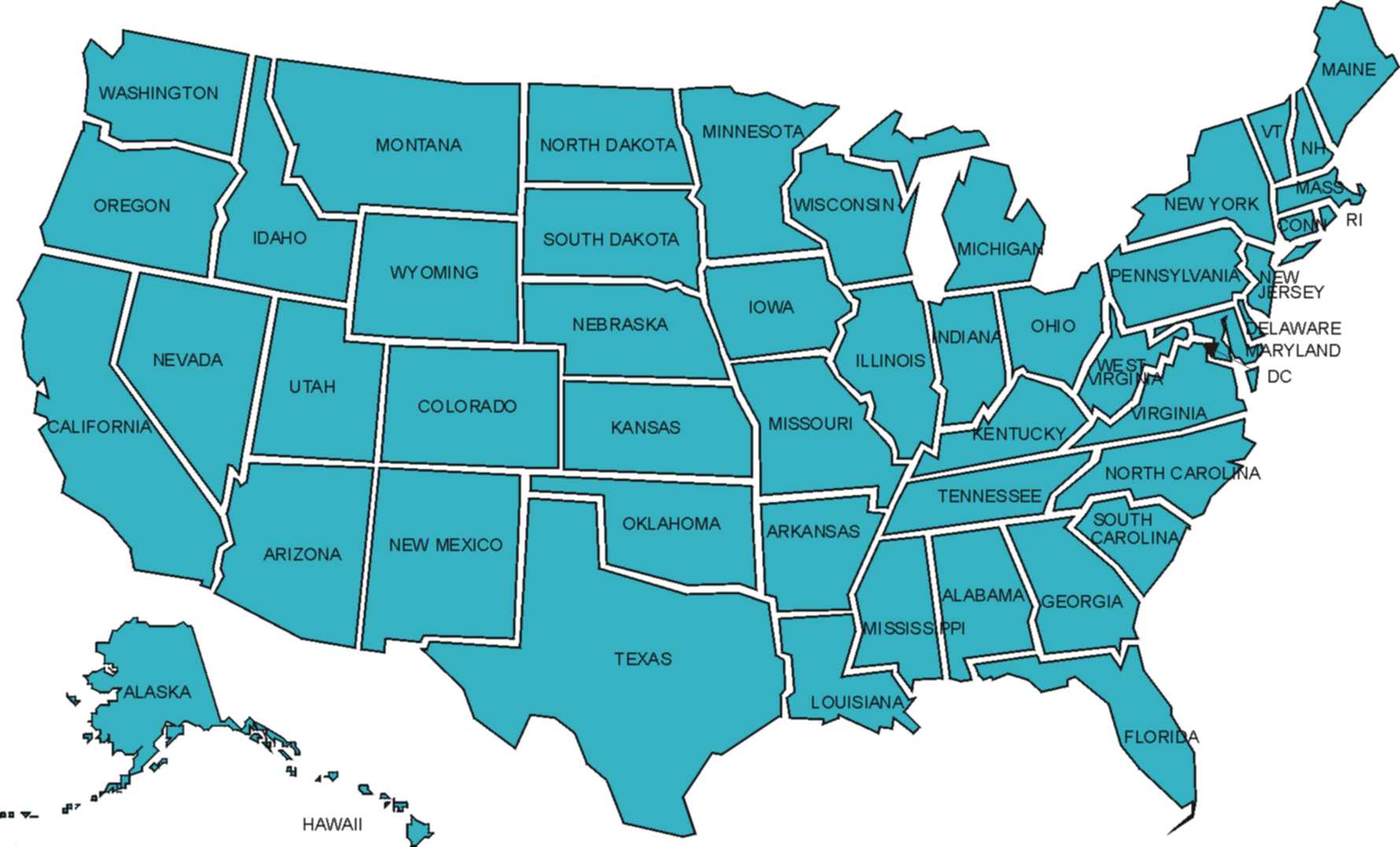
Where in the USA are the refugees and the resettlement offices?

I just came across this very useful map for FY2013-2014 at the Office of Refugee Resettlement (HHS) to help you research what is happening with the Refugee Resettlement program in your state.

When you go to the site and click on your state, all of the federal money flowing there is available as well as a list of locations where refugees are resettled with names and contact information for those doing the resettlement.

I can’t emphasize enough how important it is for you to learn about the program where you live.  I know it’s an overused expression, but knowledge is power.  And, that is why we started this blog in the first place to help you gain that knowledge.

Click here for ORR’s interactive state map!  (When you look at the map, you might want to go here for information on what a Wilson-Fish state is).

ORR Regional Offices

In 2013, ORR Director Eskinder Negash, announced the creation of Regional refugee resettlement offices to coordinate state offices.  At that time there were regional refugee offices located within five of the ten Administration for Children and Family (ACF) offices.

ORR will open up to five regional offices in Atlanta, Chicago, Dallas, Denver, and San Francisco (and potentially additional regional locations).

Click here to see the ten ACF regions and regional headquarters.

Cleveland urged to open city’s arms to refugees, even as they come with diseases!

We’ve written about Cleveland on several occasions recently as it sits in the cross-hairs of the US State Department and its refugee contractors*** as a prime target for a “welcoming” community for dropping off refugees.  In fact, they even sent in federal contractor ‘Welcoming America’ last year to soften up the politicians there.

Remember readers, the refugee resettlement industry is running out of “welcoming” cities and needs to expand those already overloaded or find new locations before citizens catch on!

Here is the latest in an article entitled, ‘Cleveland hosts Refugee Summit, looks to become choice destination for newcomers’  (LOL! they love that sort of terminology—newcomers!).

BTW, one of the ways the refugee industry is attempting to sell resettlement is to say that refugees boost population and the economy in dying cities.  What they are really doing is helping slum landlords fill their empty apartments and bring welfare dollars from Washington’s money tree.  I wish someone would produce some real economic studies that include the welfare dollars from DC (from federal taxpayers) and the amount of money the refugees send out of Cleveland and America back to their home countries, among other costs, like healthcare.

Dr. Erick Kauffman, chief medical director of Neighborhood Family Practice: Forty percent have health conditions, and 14 percent arrive with infectious diseases. Photo: http://www.nfpmedcenter.org/our-providers.aspx

From Cleveland.com (hat tip: Joanne).  The city council held a summit last week (emphasis is mine):

CLEVELAND, Ohio — As political turmoil and civil war escalate in the Middle East and elsewhere in the world, Cleveland is readying itself to become home to international refugees looking for a fresh start in a safe and welcoming community, a panel of service providers told members of Cleveland City Council Thursday morning.

To kick off the city’s first Refugee Summit, which is open to the public and will be held in the City Hall rotunda from 1 p.m. to 4 p.m. today, Council invited representatives from a cadre of social service, healthcare and resettlement agencies to describe the challenges that refugees face and the benefits of opening the city’s arms to the newcomers.

In recent years, refugees have generated more than $12 million in economic activity in the Cleveland area, said Brian Upton, of the nonprofit Building Hope in the City. They have taken 650 labor jobs since 2000, bought nearly 250 houses and represented $2.7 million in state and local tax revenue, he said.

And while Cuyahoga County loses an average of 11,400 residents a year, it has gained more than 3,500 refugees in the past decade, he said.  [Obviously, there are few jobs available in Cuyahoga County or the Ohioans wouldn’t be moving, so where are the refugees going to work?—ed]

Refugees tend to bring strong work ethics, too, and are 23 percent more likely than the average Clevelander to take an entrepreneurial risk, he said.  [They get federal grant money to take risks when opening businesses—ed]

Cleveland has apparently run out its own American poor people and local taxpayers are paying for housing for refugees!

City Councilman Joe Cimperman said that the city has invested $300,000 to rehab a four-unit apartment building for refugees. The facility on West 45th Street is expected to begin welcoming tenants in January, he said.

Cimperman said that he would like to see about 150 units available by this time next year.

So what are a few expenses for medical care, when there is federal money to be made!

But Cleveland’s refugee population — which largely comes from Iraq, Burma and African nations — arrive under great stress, said Dr. Erick Kauffman, chief medical director of Neighborhood Family Practice, the primary refugee healthcare provider in Cuyahoga County.

Often, they’ve experienced physical and psychological trauma, were victims of torture and violence or have suffered multiple losses, including the death of their children or spouses, he said.

Forty percent have health conditions, and 14 percent arrive with infectious diseases, he said.

Yikes!  Are they factoring health care costs into their budgeting?

See our Cleveland archive by clicking here.   Cleveland should be taking a lesson from the Mayor of Athens, Georgia who says she wants a plan before giving away the keys to the city.

We have 254 previous posts on refugee and immigrant health problems.

See more on Ohio refugees here including information on health screening.

And be sure to see Columbus, Ohio mosques mushrooming here.

*** These nine major federal contractors, which laughingly call themselves VOLAGS (voluntary agencies), have approximately 300 subcontractors working for them and are running in most cases on 90% or more federal funding.

New Somalis arrive in Minneapolis in droves after 2008 dip; end up in homeless shelters

I didn’t mean to make this Somali Sunday but here are our two other posts just this morning (here and here) on the impact of Somalis arriving in extremely large numbers in the US right now as part of the Obama Administration’s increasing focus on Somali refugees (Syrian and Iraqi Muslims feature prominently too).

This is some really good reporting at the Minneapolis Star Tribune yesterday by reporter MILA KOUMPILOVA .  Hat tip: ‘pungentpeppers’

As I began reading the news, I was expecting to see no information about why the Somali pipeline to America came to a grinding halt in 2008—the discovery that a large number (thousands) of Somalis had lied on their application to come to America to join family members who were found to be not related at all to the applicants. 

I am happy to report it is all here.

US State Department: We want them to stay where we have allocated money through a contractor for them. They want to be with their own people in Minnesota. Nevertheless, we will keep bringing them in! Photo: http://www.c-span.org/video/?309771-1/terrorists-refugee-programs

The article also sheds light on how Somalis resettled in other cities are hightailing-it to Minneapolis to be with their own kind of people (something we would be vilified for should we admit we want to be with our own kind of people).

As they move too quickly to Minnesota they leave behind their financial support (welfare set-up) that comes through the original refugee resettlement contractor.

We won’t be able to highlight as much of this as we would like, because it is jam-packed with information, but here are a few nuggets that interested me.  Be sure to read the whole article yourself!

Star Tribune (emphasis mine) setting the stage:

A week af­ter the Unit­ed States gov­ern­ment re­set­tled them in Con­nec­ti­cut this sum­mer, Nur Ali and his wife, Mahado Mo­ha­med, had de­cid­ed: They were mov­ing to Minnesota.  [Lucky Connecticut!—ed]

Tales of the state’s large So­ma­li com­muni­ty had in­trigued them back in the Ken­yan ref­u­gee camp where they had mar­ried and had five chil­dren. Now, a So­ma­li man they met in Hartford told them all re­cent ar­ri­vals head to Minnesota, home of “Little Moga­dis­hu.”

After a major dip in 2008, the year­ly num­bers of new So­ma­li refu­gees in Minnesota have re­bounded stead­i­ly. The num­ber of So­malis re­set­tled in the state has more than trip­led in four years. As resettlements nationally have picked up, more So­malis are also arriving here after brief stints in other states — often trading early support from resettlement agencies for the company of more fellow Somalis.

“You tend to go some­where you can con­nect,” said Mo­ha­mud Noor, the head of the Con­fed­er­a­tion of So­ma­li Community in Minnesota. “Be­fore peo­ple even ar­rive from Af­ri­ca, they know they are com­ing to Minnesota.”

But without the Twin Cities family ties of earlier arrivals, these newcomers often can’t lean as heavily on longer-term Somali residents. Mary’s Place, a Minneapolis home­less shel­ter, has be­come ground zero for fami­lies like Ali and Mo­ha­med’s. Somali participation in the state’s public food assistance program doubled in the past five years. Meanwhile, the Minneapolis School District, its So­ma­li stu­dent en­roll­ment up 70 percent since 2011, launched eight class­rooms with in­struc­tion in both Eng­lish and So­ma­li to help new­comers catch up.   [So who pays for all this?—you do!—ed]

State Department discovers massive fraud in family reunification program for Somalis!

Ali and Mohamed are part of a new wave of Somali refugees. Until 2008, the state resettled only refugees reuniting with family here.

But that year, DNA tests showed only about 20 percent of ap­pli­cants in a ref­u­gee fam­i­ly re­u­ni­fi­ca­tion program, most of them from Af­ri­ca, were ac­tu­al­ly re­lated to their stateside sponsors. The program was sus­pend­ed, even as So­malis ar­gued a broad­er defi­ni­tion of fam­i­ly was as much a factor as fraud. The num­ber of new So­ma­li ar­ri­vals plum­met­ed, from a high of more than 3,200 in 2006 to 180 in 2009.

Mean­while, more strin­gent back­ground checks for refu­gees in 2010 snarled the ap­pli­ca­tion proc­ess. Lar­ry Bart­lett, the U.S. Ref­u­gee Ad­mis­sions program di­rec­tor, says the stream­lin­ing of se­curi­ty checks since and the re­sump­tion of the fam­i­ly re­u­ni­fi­ca­tion program in 2012 led to the re­cent in­crease in So­ma­li ar­ri­vals — a trend he ex­pects to con­tin­ue in the next few years.

Somalis move even though their benefits don’t follow!

When these refugees move too soon after arriving in a different state, they get cut off from resettlement agencies there responsible for finding homes and jobs for them. Noor, whose group tries to assist newcomers with navigating the transition, says the fed­er­al gov­ern­ment needs to do more to dis­cour­age this early migration. At the U.S. State Department, Bart­lett says staff members strive to honor refu­gees’ host city pref­er­ence. Some refu­gees even sign a docu­ment af­firm­ing they are going to the city where they want to stay.

“The prob­lem with mov­ing quick­ly is that the bene­fits don’t al­ways fol­low you,” Bart­lett said. “We re­al­ly try to im­press that upon them.”  [So, does the contractor still get its cut of each refugee’s allocation?—ed]

 Read it all!

Who is responsible for the Somali mess in Minnesota besides the aforementioned US State Department?  Lutheran Social Services, Catholic Charities, and World Relief Minnesota.   See one of our top posts (from 2011) of all time here.

Minnesota readers should be sure to save this important and informative story.

Idaho: Magic Valley refugees don’t have Ebola says resettlement contractor

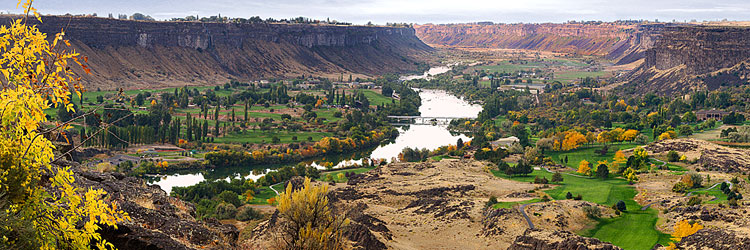
Snake River Gorge Idaho (http://www.strengthinperspective.com/Pictures-USA/Idaho-23/MagicValley.html)


OK? Has there been an Ebola scare in Idaho I missed?

Is the purpose of this news story (based on a press release from a resettlement contractor) the result of a real problem of “hostility” toward refugees in the Twin Falls, Idaho area, or was it meant to head any “hostility” off-at-the-pass before anyone gets an idea to be hostile?

Could there be a ‘pocket of resistance’ forming in Idaho?

Whatever happened to Idaho’s Uzbek refugee alleged terrorist?

The story at KMVT (Fox 14, Sun Valley) caught my attention this morning and led me down a winding trail of trying to figure out exactly why there is a refugee contractor with the name—College of Southern Idaho Refugee Center (CSIRC or P for Program).  Why is a college involved in this?

I haven’t written much about Idaho over the years, but here is our archive of what we have.

I see they did have the arrest of that Uzbek refugee alleged terrorist there in 2013, but whatever happened to the case?

So let’s have a look at CSIRP.  But first here is the news:

Twin Falls, Idaho ( KMVT-TV / KSVT-TV ) – The South Central Public Health District and the College of Southern Idaho Refugee Center Director are speaking out after concerns have been raised over refugees arriving from West Africa.

In a news release, Logan Hudson with the Health District and Ron Black with CSI said, “Refugees come to the Magic Valley area in search of a new life, but right now some are being met with hostility and concern due to stigma from the Ebola outbreaks in West Africa.”

“None of our refugees are from West Africa; they are no more likely to have Ebola than anyone else living in this area. Every refugee goes through several rigorous medical screenings before they can enter into the United States,” said Ron Black, College of Southern Idaho (CSI) Refugee Center Director. “The medical screening and waiting period they go through is longer and more intense than any protocol used for ordinary travelers. Plus, most CSI refugees arrived years before the Ebola outbreak.”

Ron Black, Director of resettlement in Twin Falls: Some refugees are being met with hostility.

Stigma is happening in the Magic Valley due to several factors including myths and fears of the disease, gossip that helps spread the fear, and a lack of knowledge about how Ebola is actually spread.

[….]

This is a daunting time for everyone, especially our refugees. We ask that the community show empathy and most importantly remember that no one in this area, let alone the state of Idaho, has been diagnosed with Ebola.” said Ron Black, CSI Refugee Center Director.

Idaho is a Wilson-Fish state.

That means that the refugee program there is being run jointly between the feds and their quasi-government contractors with little state government control or oversight.  Learn more about Wilson-Fish here.

The College of Southern Idaho Refugee Center is a subcontractor of the US Committee for Refugees and Immigrants  (one of the big nine) and apparently doesn’t have a separate tax Form 990 (that I can find), so it’s hard to figure out exactly how big they are and how much of your tax dollars are flowing through it.   See their history here.

The CSIRP has brought 2,500 refugees to Magic Valley providing workers to local businesses and bringing your federal tax dollars for their social services (aka welfare):

Since it’s inception, the CSIRP has resettled more than 2500 refugees from a variety of different continents; providing local businesses with a steady source of entry level workers. The Program has also brought more than $3 million of federal money and benefits back to the Magic Valley that have been used to purchase goods and services from local merchants.

Check out all the nationalities of refugees resettled in Southern Idaho in the last 20 years:

1993 to 2011

Kosovar
Bosnian
Croat
Serbian
Iranian
Iraqi
Burmese
Russian
Vietnamese
Burundi
Mesketian Turks
Eritreans
Bhutanese

2012 to Current

Afghani
Congolese
Sudanese
Iranian
Iraqi
Bhutanese
Burmese
Eritreans


I recommend if you are a reader from Idaho that you explore their website and also the Idaho Office for Refugees (NOT a state agency) which along with the federal government calls the shots in Idaho.

P.S. If anyone sees news stories about real hostility to refugees over Ebola, please send links to this blog post!